Naperville Teardown Value: When Is Your Lot Worth More?
August 6, 2026
August 6, 2026
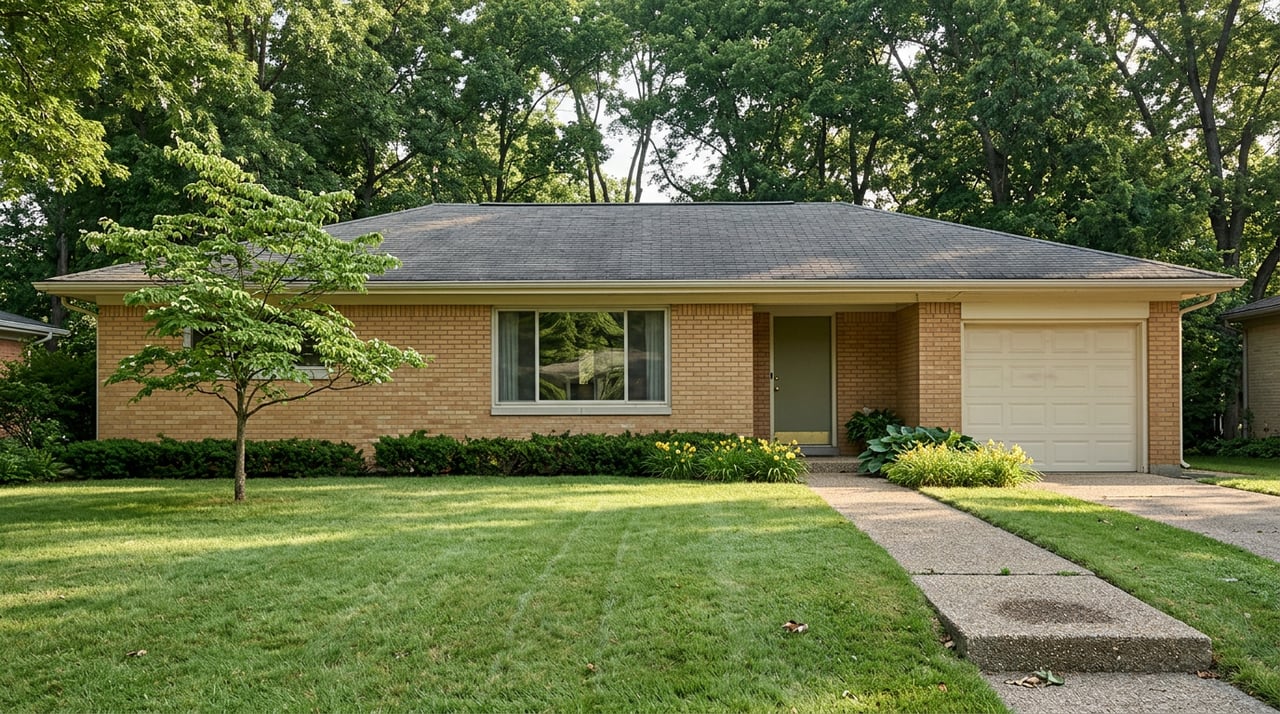
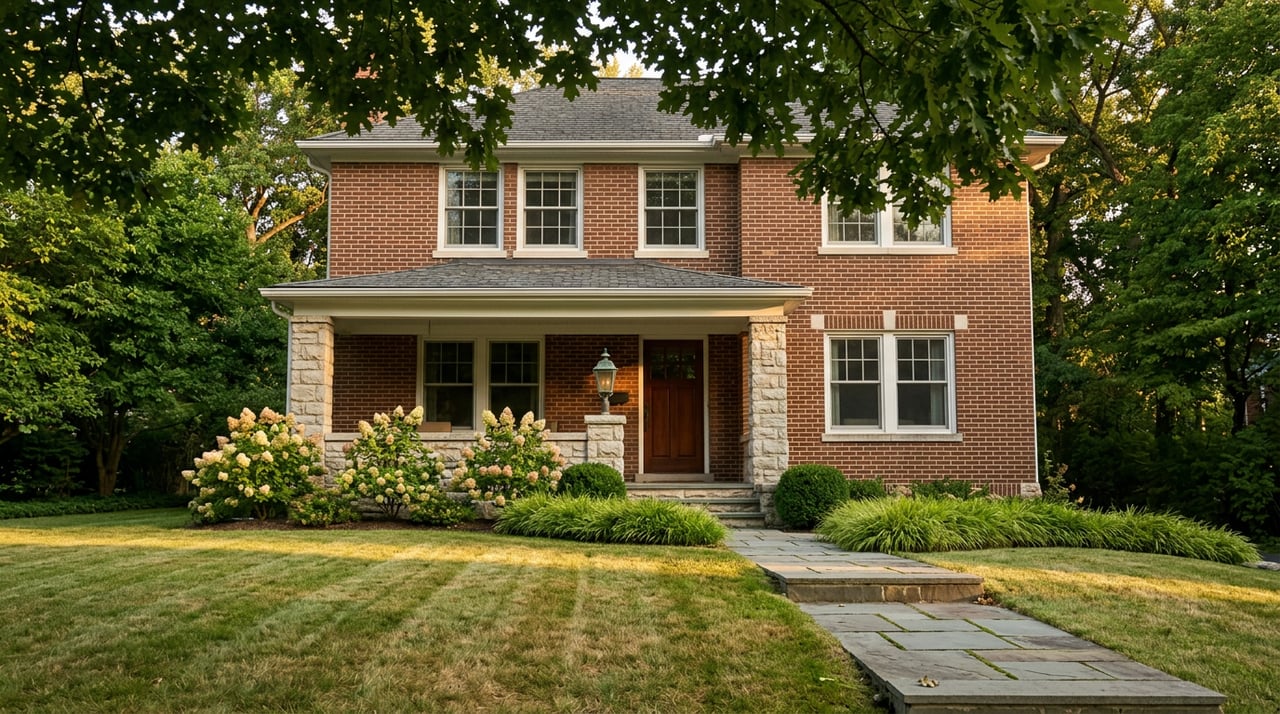
Drive three blocks east of the Riverwalk and you can watch the pattern in real time: a 1958 ranch on a deep lot, its neighbor a four-year-old brick-and-stone home with a parapet gable and a four-car garage. Drive fifteen minutes southwest through Ashbury or Tall Grass, and you will not see a single teardown even though the homes there sell for more. Same city, same school reputation, same buyer demand. Different economics.
The story most sellers hear is that Naperville is running out of land and builders will pay a premium for almost any older home. The story the builders themselves are running on their spreadsheets is narrower than that. Teardowns in Naperville are not a citywide phenomenon. They are a ribbon, and whether your lot sits on it or three streets off it is usually the difference between a builder offer and a polite pass.
Naperville's teardown activity has clustered in the same handful of pockets for years. A DuPage County survey of more than 300 Naperville teardowns found that they concentrate near the downtown core, not scattered across the community the way infill homes appear in some other DuPage suburbs. Local custom builders describe the target zone almost identically: East Highlands, West Highlands, Cress Creek, downtown-adjacent blocks, and pockets east and south of the DuPage River.
What ties those neighborhoods together is not architectural style. It is three overlapping features:
Move west of Route 59 into District 204 subdivisions like White Eagle, Ashbury, or Tall Grass and the pattern breaks. The existing homes are already large, already newer, and already priced at the level a builder would need to sell a new build to recoup costs. The math simply does not open up. Overstreet Builders publicly describes The Reserves of Saddle Creek and Lisson Woods as "some of the last remaining opportunities to build a custom home in a community" on the Naperville outskirts, which is another way of saying the west side plays a different game entirely: it is subdivision-scale new construction, not one-off teardowns.
When a builder considers a Naperville lot, the decision is not about whether the existing home is dated. It is about whether the land, cleared, is worth more than the whole property is worth intact. The calculation looks roughly like this:
If that maximum land basis exceeds the market value of the existing home as a resale, a teardown offer becomes rational. If it does not, the builder walks. This is why two homes on the same street can produce completely different outcomes. A 60-foot-wide lot two blocks from the station supports a different finished-home price than a 50-foot lot six blocks away, and that spread flows straight through to what the land is worth cleared.
The current Naperville market shapes both sides of that equation. Detached single-family homes carried a median sale price of roughly $700,000 as of April 2026, according to O'Neil Property Group's read of local MLS data, while overall Naperville median sale prices sat closer to $595,000 to $650,000 depending on the segment. Zillow's Naperville home value index reported $636,281 as of June 30, 2026, up 4.4 percent year over year. Inventory tightened to about 1.4 months across all segments in July 2026. Those are the numbers that let a builder pencil a $1.4 million to $2 million finished home in East Highlands or the historic district, and those are the numbers that make the same build a losing proposition three miles south.
Mortgage rates matter here too. Illinois 30-year fixed rates hovered between roughly 6.15 and 6.46 percent in early May 2026. Builders sell finished custom homes to payment-sensitive buyers, so the ceiling on what a new build can fetch is capped by what a $1.5 million to $2 million mortgage actually costs a month. When that ceiling compresses, the maximum land basis compresses with it.
Naperville's ribbon is narrower than pure economics would predict because the city has layered rules on top of the base zoning. Established residential blocks trigger design, massing, setback, and floor-area restrictions specifically written to soften the impact of teardown-rebuilds on neighborhood character. The city's own Toolkit for Successful Redevelopment walks builders through the process, and the historic district overlay adds a second filter.
The Naperville local historic district was designated by the City Council in 1986, with the federal historic district established in 1977. The overlay is designed to ensure that renovations and new construction in the district are compatible in terms of scale, style, exterior features, building placement, and site access.
Translation: you can own a small, dated home inside the historic district, get a builder interested in the lot, and still find that the buildable envelope allowed by the overlay will not support the finished-home price the builder needs. Design review can compress square footage, dictate rooflines, and slow the timeline enough that carrying costs eat the deal.
Floodplain is the other quiet disqualifier. The west branch of the DuPage River is owned by the Naperville Forest Preserve District, which prevents construction on the adjoining floodplain. The two most recent major flood events in the city were in 1996 and 2013. Lots inside FEMA Special Flood Hazard Areas along the DuPage, Spring Brook, and their tributaries carry insurance and elevation costs that can move a marginal teardown deal into unprofitable territory.
The specific friction that catches Naperville sellers off guard is this: a single unsolicited builder letter is not a market. Custom builders send them by the hundreds, and the number on the letter is almost always the builder's opening bid, not the ceiling. If your lot is genuinely on the ribbon, a properly exposed sale will draw interest from more than one builder, from private buyers who want to tear down and build their own custom home, and from traditional buyers who want the existing house. Those three buyer types value your property with three different formulas, and the highest of the three is not predictable in advance.
The corollary matters too. If your lot is not on the ribbon, chasing a teardown outcome by pricing above resale comps will simply add days on market. Homes priced within 2 to 3 percent of true market value have been going under contract in three to four weeks in 2026. Overpriced listings sit, and price reductions in a market this transparent read as a signal something is wrong with the property.
Investing in cosmetic updates on a likely teardown is usually a poor use of capital. Fresh paint and clean landscaping help a resale buyer picture themselves in the home. A builder is going to demolish everything you touched. Knowing which buyer you are actually selling to before you spend a dollar on preparation is the single biggest lever a Naperville seller controls.
Do I have to disclose that I received teardown offers? Illinois residential real property disclosure focuses on material defects in the property itself, not on the offers you have received. Prior offers are generally not a disclosure item. Your listing broker can advise on how to handle unsolicited builder letters strategically.
Is it faster to sell to a builder off-market? Sometimes, but faster is not the same as higher. Off-market builder sales close on the builder's timeline with the builder's contingencies, which frequently include zoning feasibility periods and permit approvals. A well-marketed on-market sale often produces a higher net number even after the extra weeks, particularly on lots where more than one builder is likely to compete.
If you own an older home in East Highlands, West Highlands, Cress Creek, or the blocks east and south of the river and you have wondered what your lot is actually worth to a builder versus a traditional buyer, that answer is a phone call, not a form letter. Trevor Pauling Real Estate works this corridor as a third-generation Naperville resident with direct relationships in the local custom-build community. Let's connect and pressure-test the number before you decide which buyer to sell to.
Stay up to date on the latest real estate trends.
Benefit from local knowledge, strategic guidance, and a commitment to achieving exceptional results for clients.